Buy xpr.eu ?
We are moving the project
xpr.eu .
Are you interested in purchasing the domain
xpr.eu ?
domain@kv-gmbh.de · 0541-91531010
Buy xpr.eu ?
How do I calculate refraction or the angle of refraction?
To calculate refraction or the angle of refraction, you can use Snell's Law, which relates the angles of incidence and refraction to the refractive indices of the two mediums involved. The formula is n1*sin(theta1) = n2*sin(theta2), where n1 and n2 are the refractive indices of the two mediums, and theta1 and theta2 are the angles of incidence and refraction, respectively. By rearranging this formula, you can solve for the angle of refraction when given the angle of incidence and refractive indices of the mediums. **
How do I calculate the refraction or the angle of refraction?
To calculate the angle of refraction, you can use Snell's Law, which states that the ratio of the sine of the angle of incidence to the sine of the angle of refraction is equal to the ratio of the velocities of light in the two different mediums. Mathematically, this can be expressed as n1*sin(theta1) = n2*sin(theta2), where n1 and n2 are the refractive indices of the two mediums, and theta1 and theta2 are the angles of incidence and refraction, respectively. By rearranging this equation, you can solve for the angle of refraction. **
Similar search terms for Refraction
Top-Angebote
Products related to Refraction:
-
Retailers Go Professional Lightweight Pipe Scissors, Multipurpose Scissors For Plumbers Sharp, Versatile Cutting Solutions Professional Lightweight Pipe Scissors, Multipurpose Scissors For Plumbers Sharp, Versatile Cutting SolutionsPrecision Cutting for Professionals & DIYersUpgrade your toolkit with these lightweight pipe scissors, designed for versatile cutting solutions in plumbing, crafting, and DIY projects. Made from highquality stainless steel, these multipurpose...29,97 $*Shipping: 0,00 $Secure redirect to the provider
-
Uplift Treasures Cutting Machine Edge Guide cProduct Description Achieve precise and safe cuts with this stainless steel cutting machine edge guide. Designed for woodworking tasks, it helps position and stabilize materials for accurate cutting, making it an essential accessory for table saws...210,97 $*Shipping: 0,00 $Secure redirect to the provider
-
Drop Dash Deals Circular Saw Guide Rail Rip Cut Edge Cutting System Circular Saw Guide Rail Rip Cut Edge Cutting SystemCut cleaner, straighter lines with less guesswork. This 1 pc of circular saw guide rail helps DIYers, woodworkers, and home repair users keep small saw cuts steady, accurate, and easier to control. Designed for 4inch approx saws, it works as a...159,97 $*Shipping: 0,00 $Secure redirect to the provider
-
Combo Retail Shop Electricity Woodworking Cutting Machine Edge Guide, Adjustable Board Circular Saw Holder, Cutting Rail Milling Quick Electricity Woodworking Cutting Machine Edge Guide, Adjustable Board Circular Saw Holder, Cutting Rail Milling QuickThe Electricity Woodworking Cutting Machine Edge Guide is an essential tool for any woodworking enthusiast or professional. Designed to deliver quick positioning and unmatched precision, this adjustable board circular saw holder offers a stable...99,97 $*Shipping: 0,00 $Secure redirect to the provider


-
What is the angle of refraction in the refraction of light?
The angle of refraction in the refraction of light is the angle between the refracted ray and the normal to the surface at the point of incidence. It is determined by Snell's Law, which states that the ratio of the sine of the angle of incidence to the sine of the angle of refraction is equal to the ratio of the velocities of light in the two media. The angle of refraction can be calculated using the formula: n1*sin(θ1) = n2*sin(θ2), where n1 and n2 are the refractive indices of the two media, and θ1 and θ2 are the angles of incidence and refraction, respectively. **
-
What is refraction in a prism?
Refraction in a prism is the bending of light as it passes through the prism due to the change in speed of light in different mediums. When light enters a prism, it slows down and bends towards the normal line, then as it exits the prism, it speeds up and bends away from the normal line. This bending of light causes the different colors of the spectrum to separate and create a rainbow effect. **
-
What is the law of refraction?
The law of refraction, also known as Snell's law, describes the relationship between the angles of incidence and refraction when a wave, such as light or sound, passes from one medium to another. It states that the ratio of the sine of the angle of incidence to the sine of the angle of refraction is equal to the ratio of the velocities of the wave in the two media. In other words, the law of refraction quantifies how much a wave bends as it passes from one medium to another, such as from air to water or from air to glass. **
-
How does the refraction of light occur?
Refraction of light occurs when light travels from one medium to another with a different optical density, causing the light rays to change direction. This change in direction is due to the difference in speed of light in the two mediums. As light enters a medium with a different optical density, it can either speed up or slow down, causing the light rays to bend. This bending of light is what we observe as refraction. **
How can one construct refraction of light?
One can construct refraction of light by passing light through a medium with a different optical density, such as air to water or glass. The change in optical density causes the light to change speed and bend as it enters the new medium, resulting in refraction. The angle of refraction can be calculated using Snell's Law, which relates the angles of incidence and refraction to the refractive indices of the two mediums. By understanding and manipulating these principles, one can effectively construct and demonstrate refraction of light. **
How do you calculate refraction in physics?
In physics, refraction is calculated using Snell's Law, which relates the angles of incidence and refraction to the refractive indices of the two materials involved. The formula for Snell's Law is n1*sin(θ1) = n2*sin(θ2), where n1 and n2 are the refractive indices of the two materials, and θ1 and θ2 are the angles of incidence and refraction, respectively. By rearranging this formula, one can solve for any of the variables involved in the refraction process. This calculation is crucial for understanding how light bends as it passes from one medium to another, such as from air to water or from air to glass. **
Top-Angebote
Products related to Refraction:
-
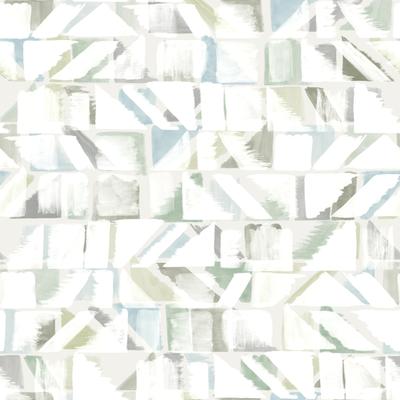
York Wallcoverings Blue Refraction Peel and Stick WallpaperPattern Refraction is a fractured geometric with the effect of a broken prism of reflected light. This Refraction Peel & Stick Wallpaper measures approximately 20.5 inches wide by 20 feet long, covering About 34.2 square feet per roll.47,07 $*Shipping: 0,00 $Secure redirect to the provider
-
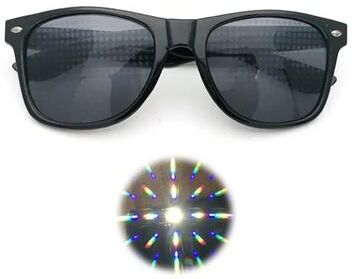
Quick Pick Pro Prism Effect Diffraction Glasses For Raves & Festivals Black Frame Rave Glasses With Light Refraction Lenses Prism Effect Diffraction Glasses For Raves & Festivals Black Frame Rave Glasses With Light Refraction LensesStep into a world where light becomes a living celebration. These Prism Effect diffraction glasses turn every laser, LED and stage light into vibrant, kaleidoscopic visuals that pull you deeper into the moment. Designed for music lovers, festival...41,97 $*Shipping: 0,00 $Secure redirect to the provider
-
Retailers Go Professional Lightweight Pipe Scissors, Multipurpose Scissors For Plumbers Sharp, Versatile Cutting Solutions Professional Lightweight Pipe Scissors, Multipurpose Scissors For Plumbers Sharp, Versatile Cutting SolutionsPrecision Cutting for Professionals & DIYersUpgrade your toolkit with these lightweight pipe scissors, designed for versatile cutting solutions in plumbing, crafting, and DIY projects. Made from highquality stainless steel, these multipurpose...29,97 $*Shipping: 0,00 $Secure redirect to the provider
-
Uplift Treasures Cutting Machine Edge Guide cProduct Description Achieve precise and safe cuts with this stainless steel cutting machine edge guide. Designed for woodworking tasks, it helps position and stabilize materials for accurate cutting, making it an essential accessory for table saws...210,97 $*Shipping: 0,00 $Secure redirect to the provider
-
How do I calculate refraction or the angle of refraction?
To calculate refraction or the angle of refraction, you can use Snell's Law, which relates the angles of incidence and refraction to the refractive indices of the two mediums involved. The formula is n1*sin(theta1) = n2*sin(theta2), where n1 and n2 are the refractive indices of the two mediums, and theta1 and theta2 are the angles of incidence and refraction, respectively. By rearranging this formula, you can solve for the angle of refraction when given the angle of incidence and refractive indices of the mediums. **
-
How do I calculate the refraction or the angle of refraction?
To calculate the angle of refraction, you can use Snell's Law, which states that the ratio of the sine of the angle of incidence to the sine of the angle of refraction is equal to the ratio of the velocities of light in the two different mediums. Mathematically, this can be expressed as n1*sin(theta1) = n2*sin(theta2), where n1 and n2 are the refractive indices of the two mediums, and theta1 and theta2 are the angles of incidence and refraction, respectively. By rearranging this equation, you can solve for the angle of refraction. **
-
What is the angle of refraction in the refraction of light?
The angle of refraction in the refraction of light is the angle between the refracted ray and the normal to the surface at the point of incidence. It is determined by Snell's Law, which states that the ratio of the sine of the angle of incidence to the sine of the angle of refraction is equal to the ratio of the velocities of light in the two media. The angle of refraction can be calculated using the formula: n1*sin(θ1) = n2*sin(θ2), where n1 and n2 are the refractive indices of the two media, and θ1 and θ2 are the angles of incidence and refraction, respectively. **
-
What is refraction in a prism?
Refraction in a prism is the bending of light as it passes through the prism due to the change in speed of light in different mediums. When light enters a prism, it slows down and bends towards the normal line, then as it exits the prism, it speeds up and bends away from the normal line. This bending of light causes the different colors of the spectrum to separate and create a rainbow effect. **
Similar search terms for Refraction
-
Drop Dash Deals Circular Saw Guide Rail Rip Cut Edge Cutting System Circular Saw Guide Rail Rip Cut Edge Cutting SystemCut cleaner, straighter lines with less guesswork. This 1 pc of circular saw guide rail helps DIYers, woodworkers, and home repair users keep small saw cuts steady, accurate, and easier to control. Designed for 4inch approx saws, it works as a...159,97 $*Shipping: 0,00 $Secure redirect to the provider
-
Combo Retail Shop Electricity Woodworking Cutting Machine Edge Guide, Adjustable Board Circular Saw Holder, Cutting Rail Milling Quick Electricity Woodworking Cutting Machine Edge Guide, Adjustable Board Circular Saw Holder, Cutting Rail Milling QuickThe Electricity Woodworking Cutting Machine Edge Guide is an essential tool for any woodworking enthusiast or professional. Designed to deliver quick positioning and unmatched precision, this adjustable board circular saw holder offers a stable...99,97 $*Shipping: 0,00 $Secure redirect to the provider
-
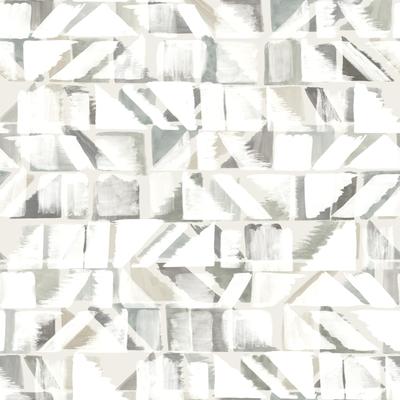
York Wallcoverings Neutral Refraction Peel and Stick WallpaperPattern Refraction is a fractured geometric with the effect of a broken prism of reflected light. This Refraction Peel & Stick Wallpaper measures approximately 20.5 inches wide by 20 feet long, covering About 34.2 square feet per roll.55,25 $*Shipping: 0,00 $Secure redirect to the provider
-
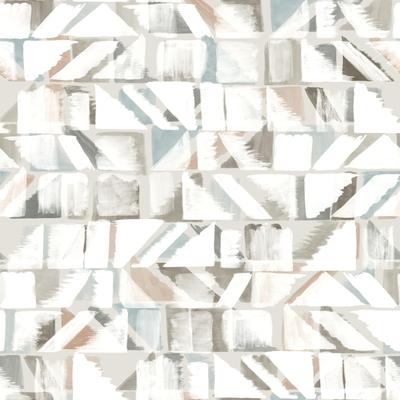
York Wallcoverings Brown and Beige Refraction Peel and Stick WallpaperPattern Refraction is a fractured geometric with the effect of a broken prism of reflected light. This Refraction Peel & Stick Wallpaper measures approximately 20.5 inches wide by 20 feet long, covering About 34.2 square feet per roll.40,80 $*Shipping: 0,00 $Secure redirect to the provider
-
What is the law of refraction?
The law of refraction, also known as Snell's law, describes the relationship between the angles of incidence and refraction when a wave, such as light or sound, passes from one medium to another. It states that the ratio of the sine of the angle of incidence to the sine of the angle of refraction is equal to the ratio of the velocities of the wave in the two media. In other words, the law of refraction quantifies how much a wave bends as it passes from one medium to another, such as from air to water or from air to glass. **
-
How does the refraction of light occur?
Refraction of light occurs when light travels from one medium to another with a different optical density, causing the light rays to change direction. This change in direction is due to the difference in speed of light in the two mediums. As light enters a medium with a different optical density, it can either speed up or slow down, causing the light rays to bend. This bending of light is what we observe as refraction. **
-
How can one construct refraction of light?
One can construct refraction of light by passing light through a medium with a different optical density, such as air to water or glass. The change in optical density causes the light to change speed and bend as it enters the new medium, resulting in refraction. The angle of refraction can be calculated using Snell's Law, which relates the angles of incidence and refraction to the refractive indices of the two mediums. By understanding and manipulating these principles, one can effectively construct and demonstrate refraction of light. **
-
How do you calculate refraction in physics?
In physics, refraction is calculated using Snell's Law, which relates the angles of incidence and refraction to the refractive indices of the two materials involved. The formula for Snell's Law is n1*sin(θ1) = n2*sin(θ2), where n1 and n2 are the refractive indices of the two materials, and θ1 and θ2 are the angles of incidence and refraction, respectively. By rearranging this formula, one can solve for any of the variables involved in the refraction process. This calculation is crucial for understanding how light bends as it passes from one medium to another, such as from air to water or from air to glass. **
* All prices are inclusive of VAT and, if applicable, plus shipping costs. The offer information is based on the details provided by the respective shop and is updated through automated processes. Real-time updates do not occur, so deviations can occur in individual cases. ** Note: Parts of this content were created by AI.