Buy xpr.eu ?
We are moving the project
xpr.eu .
Are you interested in purchasing the domain
xpr.eu ?
domain@kv-gmbh.de · 0541-91531010
Buy xpr.eu ?
How to calculate density with a given edge length?
To calculate density with a given edge length, you first need to determine the volume of the object by cubing the edge length. Once you have the volume, you need to know the mass of the object. Finally, you can calculate density by dividing the mass by the volume. The formula for density is: density = mass/volume. **
How do you calculate density with a given edge length?
To calculate density with a given edge length, you first need to determine the volume of the object by cubing the edge length. Once you have the volume, you will need to know the mass of the object. Finally, you can calculate density by dividing the mass of the object by its volume. The formula for density is density = mass/volume. **


Similar search terms for Density
Top-Angebote
Products related to Density:
-
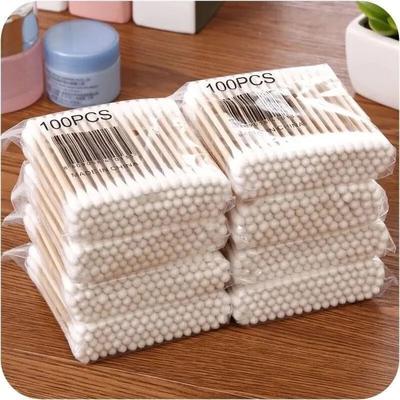
Uplift Essentials High Density Bamboo Cotton Applicators High Density Bamboo Cotton ApplicatorsOptimize your personal care and cosmetic routine with the Professional HighDensity Bamboo Cotton Applicators. Engineered for surgical precision and ecological sustainability, these dualheaded swabs feature premium, 100% natural cotton tips bonded to...34,97 $*Shipping: 0,00 $Secure redirect to the provider
-
Philip Kingsley Density Conditioner 170mlTreat your fine, fragile hair with Philip Kingsley Density Thickening Conditioner. Improve the health, condition and quality of fine, fragile and thinning hair Discover thicker, more volumised hair straight from the first use. The Density Thickening Conditioner contains a unique blend of Hyper-Branched Polymers and Hydrolyzed Pea Peptides to instantly volumise fine hair. Biomimetic ceramides within this lightweight formula help to replace lost lipids in damaged hair, whilst sealing and smoothing the cuticle to help detangle and improve hair's resistance against everyday threats. Hair strands are left strengthened against future damage, as well as softer with heightened volume. Enjoy increased hair volume by 25% after one use when used in combination with Density Thickening Conditioner and Density Thickening Protein Spray* Using Density Shampoo & Conditioner together significantly reduces the likelihood of hair breakage** *Independent Instrumental Tests, compared to a standard shampoo and conditioner. **Independent Instrumental Tests, compared to both untreated hair and hair treated with a leading volumising shampoo and conditioner. Ingredients: Aqua/Water/Eau, Cetearyl Alcohol, Hydrogenated Castor Oil/Sebacic Acid Copolymer, Pisum Sativum (Pea) Peptide, Behentrimonium Chloride, Cocos Nucifera (Coconut) Oil, Phenoxyethanol, Hydroxypropyl Starch Phosphate, Polyquaternium-110, Parfum (Fragrance), Isopropyl Alcohol, Behenyl/Stearyl Aminopropanediol Esters, Ethylhexylglycerin, Ricinus Communis (Castor) Seed Oil, Sodium Hydroxide, Citric Acid, Disodium EDTA, Leuconostoc/Radish Root Ferment Filtrate, Limonene, Linalool.31,00 £*Shipping: 0,00 £Secure redirect to the provider
-
Lola Cosmetics Density Hair Acidifier 250mLA cleansing product for hair loss or thinning. Revive fine, thinning hair with Density Acidifier – a pH-balancing treatment for intense repair, strength, and anti-breakage protection. Intensive pH 3.0–4.0 repair. Strengthens and protects against chemical, thermal, and environmental damage. Prevents hair breakage and fall.7,97 £*Shipping: 6,94 £Secure redirect to the provider


-
How do you calculate the density with a given edge length?
To calculate the density of a substance with a given edge length, you first need to determine the volume of the substance by cubing the edge length. Next, you need to find the mass of the substance using a balance or scale. Finally, divide the mass by the volume to calculate the density. The formula for density is density = mass/volume. **
-
How do you calculate the marginal density and the joint density?
To calculate the marginal density of a random variable, you integrate the joint density function over all possible values of the other random variables. For example, to find the marginal density of X in a joint density function f(x,y), you would integrate f(x,y) with respect to y. To calculate the joint density of two random variables, you multiply the marginal densities of each variable together. For example, if X and Y are independent random variables with marginal densities f(x) and g(y) respectively, then the joint density function is given by h(x,y) = f(x) * g(y). In summary, to calculate the marginal density, integrate the joint density over all possible values of the other random variables, and to calculate the joint density, multiply the marginal densities of each variable together. **
-
How do you calculate density in mathematics and what is density?
Density is a measure of how much mass is contained in a given volume. In mathematics, density is calculated by dividing the mass of an object by its volume. The formula for density is: density = mass/volume. This calculation allows us to determine how tightly packed the particles of a substance are, and it is commonly used in physics and engineering to describe the properties of materials. **
-
What is individual density?
Individual density refers to the number of individuals of a particular species within a given area or habitat. It is a measure of how crowded or dispersed a population is within a specific area. Individual density can have significant impacts on factors such as competition for resources, predation, and overall population dynamics. Monitoring individual density is important for understanding the health and sustainability of a population within an ecosystem. **

How is density calculated?
Density is calculated by dividing the mass of an object by its volume. The formula for density is: Density = Mass / Volume. Mass is typically measured in grams or kilograms, while volume is measured in cubic centimeters or cubic meters. By dividing the mass by the volume, we can determine how much mass is present in a given volume, which gives us the density of the object. **
What is relative density?
Relative density, also known as specific gravity, is the ratio of the density of a substance to the density of a reference substance. It is a dimensionless quantity that compares the density of a substance to the density of water at a specific temperature. Relative density is used to characterize the heaviness or lightness of a substance compared to water, and it is commonly used in various scientific and industrial applications to determine the purity or composition of materials. **
Top-Angebote
Products related to Density:
-
StayWell Innovative Anti Fungal Laser Pen With Cutting Edge Fungal Infections Removal And Safe for Skin Technology Innovative Anti Fungal Laser Pen With Cutting Edge Fungal Infections Removal And Safe for Skin TechnologyDo you avoid going barefoot or wearing sandals because of your unsightly nails If so, our AntiFungal Laser Pen is the solution you've been looking for. Our laser pen combines the power of the infrared pulsed laser and blue light to exterminate...20,97 $*Shipping: 0,00 $Secure redirect to the provider
-
Multicon Wholesale Hub Professional Mud Balance Liquid Density Meter Mud Hydrometer Drilling Fluid Density Tester Professional Mud Balance Liquid Density Meter Mud Hydrometer Drilling Fluid Density TesterUnlock reliable, precise density testing for heavy liquids and slurries with this robust mud balance and liquid density meter combo. Designed for engineers, lab technicians, and field technicians, it delivers consistent readings you can trust....234,97 $*Shipping: 0,00 $Secure redirect to the provider
-
Uplift Essentials High Density Bamboo Cotton Applicators High Density Bamboo Cotton ApplicatorsOptimize your personal care and cosmetic routine with the Professional HighDensity Bamboo Cotton Applicators. Engineered for surgical precision and ecological sustainability, these dualheaded swabs feature premium, 100% natural cotton tips bonded to...34,97 $*Shipping: 0,00 $Secure redirect to the provider
-
Philip Kingsley Density Conditioner 170mlTreat your fine, fragile hair with Philip Kingsley Density Thickening Conditioner. Improve the health, condition and quality of fine, fragile and thinning hair Discover thicker, more volumised hair straight from the first use. The Density Thickening Conditioner contains a unique blend of Hyper-Branched Polymers and Hydrolyzed Pea Peptides to instantly volumise fine hair. Biomimetic ceramides within this lightweight formula help to replace lost lipids in damaged hair, whilst sealing and smoothing the cuticle to help detangle and improve hair's resistance against everyday threats. Hair strands are left strengthened against future damage, as well as softer with heightened volume. Enjoy increased hair volume by 25% after one use when used in combination with Density Thickening Conditioner and Density Thickening Protein Spray* Using Density Shampoo & Conditioner together significantly reduces the likelihood of hair breakage** *Independent Instrumental Tests, compared to a standard shampoo and conditioner. **Independent Instrumental Tests, compared to both untreated hair and hair treated with a leading volumising shampoo and conditioner. Ingredients: Aqua/Water/Eau, Cetearyl Alcohol, Hydrogenated Castor Oil/Sebacic Acid Copolymer, Pisum Sativum (Pea) Peptide, Behentrimonium Chloride, Cocos Nucifera (Coconut) Oil, Phenoxyethanol, Hydroxypropyl Starch Phosphate, Polyquaternium-110, Parfum (Fragrance), Isopropyl Alcohol, Behenyl/Stearyl Aminopropanediol Esters, Ethylhexylglycerin, Ricinus Communis (Castor) Seed Oil, Sodium Hydroxide, Citric Acid, Disodium EDTA, Leuconostoc/Radish Root Ferment Filtrate, Limonene, Linalool.31,00 £*Shipping: 0,00 £Secure redirect to the provider
-
How to calculate density with a given edge length?
To calculate density with a given edge length, you first need to determine the volume of the object by cubing the edge length. Once you have the volume, you need to know the mass of the object. Finally, you can calculate density by dividing the mass by the volume. The formula for density is: density = mass/volume. **
-
How do you calculate density with a given edge length?
To calculate density with a given edge length, you first need to determine the volume of the object by cubing the edge length. Once you have the volume, you will need to know the mass of the object. Finally, you can calculate density by dividing the mass of the object by its volume. The formula for density is density = mass/volume. **
-
How do you calculate the density with a given edge length?
To calculate the density of a substance with a given edge length, you first need to determine the volume of the substance by cubing the edge length. Next, you need to find the mass of the substance using a balance or scale. Finally, divide the mass by the volume to calculate the density. The formula for density is density = mass/volume. **
-
How do you calculate the marginal density and the joint density?
To calculate the marginal density of a random variable, you integrate the joint density function over all possible values of the other random variables. For example, to find the marginal density of X in a joint density function f(x,y), you would integrate f(x,y) with respect to y. To calculate the joint density of two random variables, you multiply the marginal densities of each variable together. For example, if X and Y are independent random variables with marginal densities f(x) and g(y) respectively, then the joint density function is given by h(x,y) = f(x) * g(y). In summary, to calculate the marginal density, integrate the joint density over all possible values of the other random variables, and to calculate the joint density, multiply the marginal densities of each variable together. **
Similar search terms for Density
-
Lola Cosmetics Density Hair Acidifier 250mLA cleansing product for hair loss or thinning. Revive fine, thinning hair with Density Acidifier – a pH-balancing treatment for intense repair, strength, and anti-breakage protection. Intensive pH 3.0–4.0 repair. Strengthens and protects against chemical, thermal, and environmental damage. Prevents hair breakage and fall.7,97 £*Shipping: 6,94 £Secure redirect to the provider
-
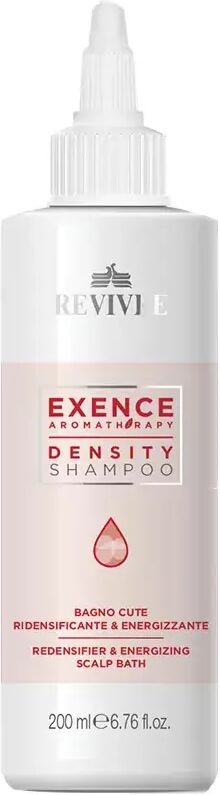
Revivre Exence Density Daily 50 mlHealth and Beauty Hair Treatments Revivre Exence Density Daily 50 ml What is Exence Density Daily 50 ml? Exence Density Daily is the daily-use product from Density, the Revivre Exence line, whose name refers to hair density. It comes in a 50ml format. Benefits Designed for everyday use, it extends the care of the Density family beyond washing. It combines with Density Shampoo and Density 1 and Density 2 fluids to complete the family routine. Who is it for? For those who follow the Exence Density routine and want a daily maintenance step. How to apply Exence Density Daily 50 ml? Follow the instructions on the packaging regarding the amount and area of application. Incorporate it into your daily routine at the same time to avoid missing any applications. Product Use A daily use product from the Density family. It belongs to the Exence Density range and comes in a 50ml bottle.33,67 £*Shipping: 3,99 £Secure redirect to the provider
-
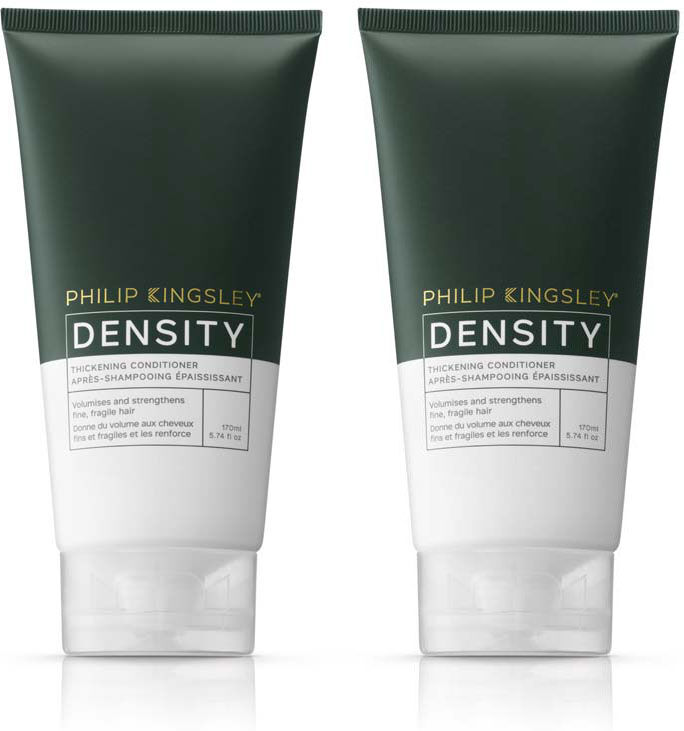
Philip Kingsley Density Conditioner 170ml DoubleStock up and save with this value double pack. Treat your fine, fragile hair with Philip Kingsley Density Thickening Conditioner. Improve the health, condition and quality of fine, fragile and thinning hair Discover thicker, more volumised hair straight from the first use. The Density Thickening Conditioner contains a unique blend of Hyper-Branched Polymers and Hydrolyzed Pea Peptides to instantly volumise fine hair. Biomimetic ceramides within this lightweight formula help to replace lost lipids in damaged hair, whilst sealing and smoothing the cuticle to help detangle and improve hair's resistance against everyday threats. Hair strands are left strengthened against future damage, as well as softer with heightened volume. Enjoy increased hair volume by 25% after one use when used in combination with Density Thickening Conditioner and Density Thickening Protein Spray* Using Density Shampoo & Conditioner together significantly reduces the likelihood of hair breakage** *Independent Instrumental Tests, compared to a standard shampoo and conditioner. **Independent Instrumental Tests, compared to both untreated hair and hair treated with a leading volumising shampoo and conditioner. Ingredients: Aqua/Water/Eau, Cetearyl Alcohol, Hydrogenated Castor Oil/Sebacic Acid Copolymer, Pisum Sativum (Pea) Peptide, Behentrimonium Chloride, Cocos Nucifera (Coconut) Oil, Phenoxyethanol, Hydroxypropyl Starch Phosphate, Polyquaternium-110, Parfum (Fragrance), Isopropyl Alcohol, Behenyl/Stearyl Aminopropanediol Esters, Ethylhexylglycerin, Ricinus Communis (Castor) Seed Oil, Sodium Hydroxide, Citric Acid, Disodium EDTA, Leuconostoc/Radish Root Ferment Filtrate, Limonene, Linalool.55,80 £*Shipping: 0,00 £Secure redirect to the provider
-
How do you calculate density in mathematics and what is density?
Density is a measure of how much mass is contained in a given volume. In mathematics, density is calculated by dividing the mass of an object by its volume. The formula for density is: density = mass/volume. This calculation allows us to determine how tightly packed the particles of a substance are, and it is commonly used in physics and engineering to describe the properties of materials. **
-
What is individual density?
Individual density refers to the number of individuals of a particular species within a given area or habitat. It is a measure of how crowded or dispersed a population is within a specific area. Individual density can have significant impacts on factors such as competition for resources, predation, and overall population dynamics. Monitoring individual density is important for understanding the health and sustainability of a population within an ecosystem. **
-
How is density calculated?
Density is calculated by dividing the mass of an object by its volume. The formula for density is: Density = Mass / Volume. Mass is typically measured in grams or kilograms, while volume is measured in cubic centimeters or cubic meters. By dividing the mass by the volume, we can determine how much mass is present in a given volume, which gives us the density of the object. **
-
What is relative density?
Relative density, also known as specific gravity, is the ratio of the density of a substance to the density of a reference substance. It is a dimensionless quantity that compares the density of a substance to the density of water at a specific temperature. Relative density is used to characterize the heaviness or lightness of a substance compared to water, and it is commonly used in various scientific and industrial applications to determine the purity or composition of materials. **
* All prices are inclusive of VAT and, if applicable, plus shipping costs. The offer information is based on the details provided by the respective shop and is updated through automated processes. Real-time updates do not occur, so deviations can occur in individual cases. ** Note: Parts of this content were created by AI.