Buy xpr.eu ?
We are moving the project
xpr.eu .
Are you interested in purchasing the domain
xpr.eu ?
domain@kv-gmbh.de · 0541-91531010
Buy xpr.eu ?
What is the angle at the cutting edge?
The angle at the cutting edge is the angle formed between the cutting edge of a tool and the workpiece being cut. This angle is crucial in determining the efficiency and effectiveness of the cutting process. A smaller angle at the cutting edge results in a sharper tool, allowing for more precise cuts, while a larger angle may provide more strength and durability to the cutting edge. The optimal angle at the cutting edge depends on the material being cut and the specific cutting operation being performed. **
How do you calculate the angle of the cutting edge of the tool?
To calculate the angle of the cutting edge of a tool, you can use a protractor or a specialized tool angle gauge. Place the tool on a flat surface and align the gauge with the cutting edge. Then, measure the angle formed between the cutting edge and the surface. This angle is the cutting edge angle of the tool. It is important to ensure that the tool is properly secured and aligned to get an accurate measurement. **


Similar search terms for Angle
Top-Angebote
Products related to Angle:
-
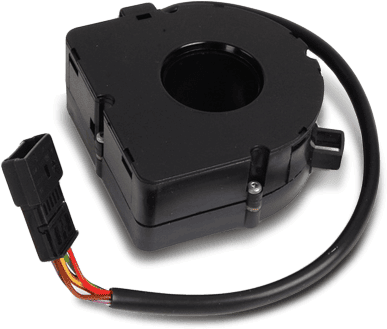
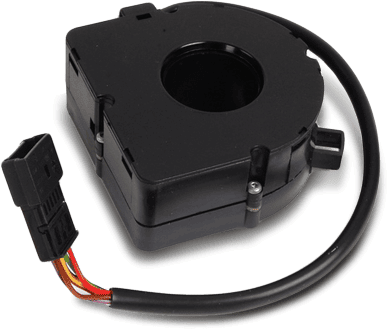
RIDEX 3252S0020 Steering Angle SensorNumber of pins: 5; Supplementary Article / Supplementary Info Info 2: with fuse; Left-/right-hand drive vehicles: for left-hand/right-hand drive vehicles; Vehicle Equipment: for vehicles without multifunction steering wheel; Braking/Driving Dynamics: for vehicles without ESP; Vehicle Identification Number (VIN) from: 8D-W-000001, 7M-1-500001; Engine Code: ANU, ATM, AEB, ANB, APU, ARK, AWT, ACK, ALG, AMX, APR, AQD, AFN, AGN, AGU, ARZ, AUM, AJP, AQE, ARH, AWC, AJK, AJQ, APP, AUQ, APK, AZG, AZH, AZJ, AEH, AKL, AHW, AKQ, AXP, BCA, AQY, APE, AUE, AKE, BAU, BDH, AZM, ATD, AXR, AQW, ATZ, AKN, AVU, BFQ, ARX, AUS, AZD, BCB, ATX, ASU, APZ, BHE, BPF, AME, BAH, BJA, BLH, BPA, CCRA; Vehicle Identification Number (VIN) to: 4B-1-200000, 8N-2-07000039,49 £*Shipping: 8,45 £Secure redirect to the provider


-
What is the maximum cutting angle?
The maximum cutting angle refers to the maximum angle at which a cutting tool or blade can be positioned in relation to the workpiece while still effectively cutting. This angle is determined by the design and capabilities of the cutting tool or machine. For example, in woodworking, the maximum cutting angle for a table saw blade may be around 45 degrees, while for a bandsaw blade it may be closer to 90 degrees. It is important to adhere to the maximum cutting angle to ensure safe and efficient cutting operations. **
-
What is the cutting angle problem 2?
The cutting angle problem 2 involves determining the angle at which a tool or blade should be positioned in order to make a precise and clean cut. This problem is often encountered in various industries such as woodworking, metalworking, and machining. The correct cutting angle is crucial for achieving the desired outcome and avoiding issues like material damage, tool wear, or inaccuracies in the cut. Engineers and technicians use mathematical calculations, experimentation, and specialized tools to solve the cutting angle problem 2 and optimize cutting processes. **
-
How can the cutting angle be determined?
The cutting angle can be determined by considering the type of material being cut and the desired outcome. For softer materials, a larger cutting angle may be more appropriate to reduce cutting forces and minimize tool wear. On the other hand, harder materials may require a smaller cutting angle to increase tool strength and cutting efficiency. Additionally, the specific cutting tool being used and its design will also influence the cutting angle selection. It is important to consider these factors and consult cutting tool manufacturers' recommendations to determine the most suitable cutting angle for a given application. **
-
How can the cutting angle be calculated?
The cutting angle can be calculated using trigonometric functions. The cutting angle is the angle between the cutting edge of the tool and the workpiece surface. To calculate the cutting angle, you can use the tangent function, which is the ratio of the opposite side to the adjacent side in a right-angled triangle. By knowing the dimensions of the cutting tool and the workpiece, you can use trigonometry to calculate the cutting angle. This angle is important in determining the efficiency and effectiveness of the cutting process. **

How do I calculate this cutting angle?
To calculate the cutting angle, you can use the formula: cutting angle = arctan (tool diameter / workpiece diameter). First, measure the diameter of the tool you are using and the diameter of the workpiece. Then, divide the tool diameter by the workpiece diameter and take the arctan of the result to find the cutting angle. This angle will help you determine the proper orientation of the tool for cutting the workpiece. **
What does the angle at the edge theorem state?
The angle at the edge theorem states that the exterior angle of a triangle is equal to the sum of the two opposite interior angles. In other words, if you extend one side of a triangle, the angle formed by the extension is equal to the sum of the two opposite interior angles. This theorem is a fundamental concept in geometry and is used to solve various problems involving triangles and their angles. **
Top-Angebote
Products related to Angle:
-
StayWell Innovative Anti Fungal Laser Pen With Cutting Edge Fungal Infections Removal And Safe for Skin Technology Innovative Anti Fungal Laser Pen With Cutting Edge Fungal Infections Removal And Safe for Skin TechnologyDo you avoid going barefoot or wearing sandals because of your unsightly nails If so, our AntiFungal Laser Pen is the solution you've been looking for. Our laser pen combines the power of the infrared pulsed laser and blue light to exterminate...20,97 $*Shipping: 0,00 $Secure redirect to the provider
-
Fusion Finds Portable Hair Cutting Folding Mirror With Multi Angle Rear View For Self Haircuts & Makeup Portable Hair Cutting Folding Mirror With Multi Angle Rear View For Self Haircuts & MakeupEnjoy salonquality grooming without leaving home. This hair cutting mirror gives you a clear view of the back and sides of your head, making selfhaircuts, beard trimming, and styling easier than ever. Its clever foursided folding mirror design...32,97 $*Shipping: 0,00 $Secure redirect to the provider
-
What is the angle at the cutting edge?
The angle at the cutting edge is the angle formed between the cutting edge of a tool and the workpiece being cut. This angle is crucial in determining the efficiency and effectiveness of the cutting process. A smaller angle at the cutting edge results in a sharper tool, allowing for more precise cuts, while a larger angle may provide more strength and durability to the cutting edge. The optimal angle at the cutting edge depends on the material being cut and the specific cutting operation being performed. **
-
How do you calculate the angle of the cutting edge of the tool?
To calculate the angle of the cutting edge of a tool, you can use a protractor or a specialized tool angle gauge. Place the tool on a flat surface and align the gauge with the cutting edge. Then, measure the angle formed between the cutting edge and the surface. This angle is the cutting edge angle of the tool. It is important to ensure that the tool is properly secured and aligned to get an accurate measurement. **
-
What is the maximum cutting angle?
The maximum cutting angle refers to the maximum angle at which a cutting tool or blade can be positioned in relation to the workpiece while still effectively cutting. This angle is determined by the design and capabilities of the cutting tool or machine. For example, in woodworking, the maximum cutting angle for a table saw blade may be around 45 degrees, while for a bandsaw blade it may be closer to 90 degrees. It is important to adhere to the maximum cutting angle to ensure safe and efficient cutting operations. **
-
What is the cutting angle problem 2?
The cutting angle problem 2 involves determining the angle at which a tool or blade should be positioned in order to make a precise and clean cut. This problem is often encountered in various industries such as woodworking, metalworking, and machining. The correct cutting angle is crucial for achieving the desired outcome and avoiding issues like material damage, tool wear, or inaccuracies in the cut. Engineers and technicians use mathematical calculations, experimentation, and specialized tools to solve the cutting angle problem 2 and optimize cutting processes. **
Similar search terms for Angle
-
RIDEX 3252S0020 Steering Angle SensorNumber of pins: 5; Supplementary Article / Supplementary Info Info 2: with fuse; Left-/right-hand drive vehicles: for left-hand/right-hand drive vehicles; Vehicle Equipment: for vehicles without multifunction steering wheel; Braking/Driving Dynamics: for vehicles without ESP; Vehicle Identification Number (VIN) from: 8D-W-000001, 7M-1-500001; Engine Code: ANU, ATM, AEB, ANB, APU, ARK, AWT, ACK, ALG, AMX, APR, AQD, AFN, AGN, AGU, ARZ, AUM, AJP, AQE, ARH, AWC, AJK, AJQ, APP, AUQ, APK, AZG, AZH, AZJ, AEH, AKL, AHW, AKQ, AXP, BCA, AQY, APE, AUE, AKE, BAU, BDH, AZM, ATD, AXR, AQW, ATZ, AKN, AVU, BFQ, ARX, AUS, AZD, BCB, ATX, ASU, APZ, BHE, BPF, AME, BAH, BJA, BLH, BPA, CCRA; Vehicle Identification Number (VIN) to: 4B-1-200000, 8N-2-07000039,49 £*Shipping: 8,45 £Secure redirect to the provider
-
How can the cutting angle be determined?
The cutting angle can be determined by considering the type of material being cut and the desired outcome. For softer materials, a larger cutting angle may be more appropriate to reduce cutting forces and minimize tool wear. On the other hand, harder materials may require a smaller cutting angle to increase tool strength and cutting efficiency. Additionally, the specific cutting tool being used and its design will also influence the cutting angle selection. It is important to consider these factors and consult cutting tool manufacturers' recommendations to determine the most suitable cutting angle for a given application. **
-
How can the cutting angle be calculated?
The cutting angle can be calculated using trigonometric functions. The cutting angle is the angle between the cutting edge of the tool and the workpiece surface. To calculate the cutting angle, you can use the tangent function, which is the ratio of the opposite side to the adjacent side in a right-angled triangle. By knowing the dimensions of the cutting tool and the workpiece, you can use trigonometry to calculate the cutting angle. This angle is important in determining the efficiency and effectiveness of the cutting process. **
-
How do I calculate this cutting angle?
To calculate the cutting angle, you can use the formula: cutting angle = arctan (tool diameter / workpiece diameter). First, measure the diameter of the tool you are using and the diameter of the workpiece. Then, divide the tool diameter by the workpiece diameter and take the arctan of the result to find the cutting angle. This angle will help you determine the proper orientation of the tool for cutting the workpiece. **
-
What does the angle at the edge theorem state?
The angle at the edge theorem states that the exterior angle of a triangle is equal to the sum of the two opposite interior angles. In other words, if you extend one side of a triangle, the angle formed by the extension is equal to the sum of the two opposite interior angles. This theorem is a fundamental concept in geometry and is used to solve various problems involving triangles and their angles. **
* All prices are inclusive of VAT and, if applicable, plus shipping costs. The offer information is based on the details provided by the respective shop and is updated through automated processes. Real-time updates do not occur, so deviations can occur in individual cases. ** Note: Parts of this content were created by AI.