Buy xpr.eu ?
We are moving the project
xpr.eu .
Are you interested in purchasing the domain
xpr.eu ?
domain@kv-gmbh.de · 0541-91531010
Buy xpr.eu ?
How can a broken tile edge be repaired?
To repair a broken tile edge, you can use a tile repair kit or epoxy adhesive. First, clean the area around the broken edge and remove any loose pieces. Then, apply the adhesive or filler to the broken edge and press it back into place. Allow it to dry according to the manufacturer's instructions. Finally, sand down any excess adhesive and touch up the repaired area with matching paint or sealant. **
How can one repair a broken tile edge?
To repair a broken tile edge, you can start by cleaning the area around the broken edge with a mild detergent and allowing it to dry completely. Next, apply a small amount of tile adhesive to the broken edge and carefully align it back into place. Use a clamp or tape to hold the tile in place while the adhesive sets. Once the adhesive has dried, you can use a tile grout to fill in any gaps and smooth out the repaired edge. **

Similar search terms for Tile
Top-Angebote
Products related to Tile:
-
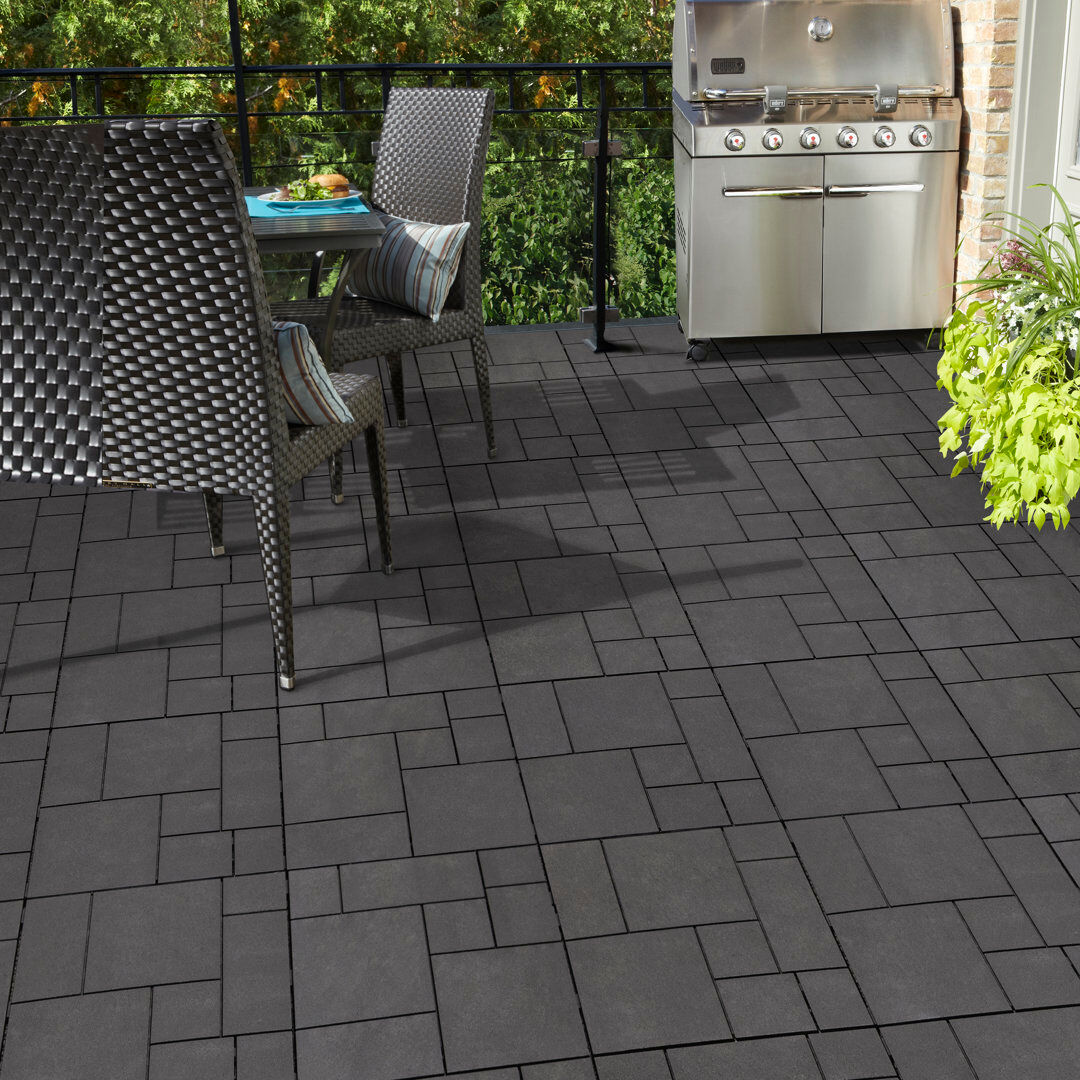
FloorPops Dark Grey Interlocking Deck Tile Edge Strips with 4 PacksStep up your patio style with these outdoor click decking tiles by FloorPops. Perfect for a patio or balcony, these grooved, dark grey edge pieces form a finished edge with FloorPops click decking tiles.25,48 $*Shipping: 0,00 $Secure redirect to the provider




-
What is better, tile paint or tile color?
The choice between tile paint and tile color depends on personal preference and the desired outcome. Tile paint is a quick and cost-effective way to update the look of tiles, but it may not be as durable or long-lasting as tile color. On the other hand, tile color involves replacing the tiles entirely, providing a more permanent solution with a wider range of color options. Ultimately, the decision between tile paint and tile color should be based on factors such as budget, time constraints, and the desired longevity of the update. **
-
Can tile cutters only cut shorter lengths when cutting diagonally compared to cutting straight?
No, tile cutters can cut longer lengths when cutting diagonally compared to cutting straight. When cutting straight, the length of the tile is limited by the width of the cutter. However, when cutting diagonally, the length of the tile that can be cut is determined by the diagonal measurement of the cutter, which is longer than the width. Therefore, tile cutters can cut longer lengths when cutting diagonally compared to cutting straight. **
-
How thick is the tile adhesive after drying, including the tile?
The thickness of the tile adhesive after drying, including the tile, can vary depending on the type of adhesive used and the application method. Generally, the adhesive layer can range from 1/8 inch to 1/4 inch thick. It is important to follow the manufacturer's recommendations for the specific adhesive being used to ensure proper adhesion and long-term durability of the tile installation. **
-
How do I cut the tile edge at a 45-degree miter?
To cut a tile edge at a 45-degree miter, you will need a tile saw with a miter guide or a miter box and handsaw. First, measure and mark the tile where you want to make the cut. Then, set the miter guide on the tile saw to 45 degrees or place the tile in the miter box at a 45-degree angle. Next, carefully guide the tile through the saw or use the handsaw to make the cut along the marked line. Make sure to wear safety goggles and gloves when cutting tile. **

Is the tile broken?
Yes, the tile is broken. **
What attacks tile grout?
Tile grout can be attacked by a variety of factors such as mold and mildew, dirt and grime, and general wear and tear. Mold and mildew can thrive in damp environments, leading to discoloration and deterioration of the grout. Dirt and grime can build up over time, causing the grout to become discolored and stained. Additionally, regular foot traffic and cleaning can wear down the grout, leading to cracks and gaps. **
Top-Angebote
Products related to Tile:
-
StayWell Innovative Anti Fungal Laser Pen With Cutting Edge Fungal Infections Removal And Safe for Skin Technology Innovative Anti Fungal Laser Pen With Cutting Edge Fungal Infections Removal And Safe for Skin TechnologyDo you avoid going barefoot or wearing sandals because of your unsightly nails If so, our AntiFungal Laser Pen is the solution you've been looking for. Our laser pen combines the power of the infrared pulsed laser and blue light to exterminate...20,97 $*Shipping: 0,00 $Secure redirect to the provider
-
NICOMAN Mosaic Composite Interlocking Deck Tile TileTransform your space with our Easytile Mosaic Garden Patio Interlocking Composite Decking Floor Tiles. Whether it's your garden, balconies, patios, pools, play areas, or any even ground, these tiles are perfect for a stylish makeover. These large deck tiles effortlessly clip together, making installation a breeze. You can also cut them to fit any area, providing versatility in design. Designed for various surfaces, including patios and decking, each tile features drainage holes to prevent water collection. Crafted from recycled rubber tyres, these deck tiles boast exceptional durability, resisting cracks, rot, and mould while withstanding diverse temperatures. Maintenance is a breeze – simply hose them off for a clean, refreshed look. Choosing recycled rubber products contributes to environmental sustainability by reducing the carbon footprint and diverting millions of tyres from landfills. Elevate your space with style and eco-friendliness using Easytile Mosaic Garden Patio Interlocking Composite Decking Floor Tiles. NICOMAN139,99 £*Shipping: 0,00 £Secure redirect to the provider
-
FloorPops Dark Grey Interlocking Deck Tile Edge Strips with 4 PacksStep up your patio style with these outdoor click decking tiles by FloorPops. Perfect for a patio or balcony, these grooved, dark grey edge pieces form a finished edge with FloorPops click decking tiles.25,48 $*Shipping: 0,00 $Secure redirect to the provider
-
How can a broken tile edge be repaired?
To repair a broken tile edge, you can use a tile repair kit or epoxy adhesive. First, clean the area around the broken edge and remove any loose pieces. Then, apply the adhesive or filler to the broken edge and press it back into place. Allow it to dry according to the manufacturer's instructions. Finally, sand down any excess adhesive and touch up the repaired area with matching paint or sealant. **
-
How can one repair a broken tile edge?
To repair a broken tile edge, you can start by cleaning the area around the broken edge with a mild detergent and allowing it to dry completely. Next, apply a small amount of tile adhesive to the broken edge and carefully align it back into place. Use a clamp or tape to hold the tile in place while the adhesive sets. Once the adhesive has dried, you can use a tile grout to fill in any gaps and smooth out the repaired edge. **
-
What is better, tile paint or tile color?
The choice between tile paint and tile color depends on personal preference and the desired outcome. Tile paint is a quick and cost-effective way to update the look of tiles, but it may not be as durable or long-lasting as tile color. On the other hand, tile color involves replacing the tiles entirely, providing a more permanent solution with a wider range of color options. Ultimately, the decision between tile paint and tile color should be based on factors such as budget, time constraints, and the desired longevity of the update. **
-
Can tile cutters only cut shorter lengths when cutting diagonally compared to cutting straight?
No, tile cutters can cut longer lengths when cutting diagonally compared to cutting straight. When cutting straight, the length of the tile is limited by the width of the cutter. However, when cutting diagonally, the length of the tile that can be cut is determined by the diagonal measurement of the cutter, which is longer than the width. Therefore, tile cutters can cut longer lengths when cutting diagonally compared to cutting straight. **
Similar search terms for Tile
-
The Tile Life Etiquette 8x8 Patterned Satin Porcelain Floor & Wall TileEmbrace the look of a classic Mediterranean-styled home with our Etiquette Collection. Abstract floral patterns burst from the center of each geometric square, enhancing the individuality of this tile's blocked design.77,89 $*Shipping: 0,00 $Secure redirect to the provider
-
How thick is the tile adhesive after drying, including the tile?
The thickness of the tile adhesive after drying, including the tile, can vary depending on the type of adhesive used and the application method. Generally, the adhesive layer can range from 1/8 inch to 1/4 inch thick. It is important to follow the manufacturer's recommendations for the specific adhesive being used to ensure proper adhesion and long-term durability of the tile installation. **
-
How do I cut the tile edge at a 45-degree miter?
To cut a tile edge at a 45-degree miter, you will need a tile saw with a miter guide or a miter box and handsaw. First, measure and mark the tile where you want to make the cut. Then, set the miter guide on the tile saw to 45 degrees or place the tile in the miter box at a 45-degree angle. Next, carefully guide the tile through the saw or use the handsaw to make the cut along the marked line. Make sure to wear safety goggles and gloves when cutting tile. **
-
Is the tile broken?
Yes, the tile is broken. **
-
What attacks tile grout?
Tile grout can be attacked by a variety of factors such as mold and mildew, dirt and grime, and general wear and tear. Mold and mildew can thrive in damp environments, leading to discoloration and deterioration of the grout. Dirt and grime can build up over time, causing the grout to become discolored and stained. Additionally, regular foot traffic and cleaning can wear down the grout, leading to cracks and gaps. **
* All prices are inclusive of VAT and, if applicable, plus shipping costs. The offer information is based on the details provided by the respective shop and is updated through automated processes. Real-time updates do not occur, so deviations can occur in individual cases. ** Note: Parts of this content were created by AI.