Buy xpr.eu ?
We are moving the project
xpr.eu .
Are you interested in purchasing the domain
xpr.eu ?
domain@kv-gmbh.de · 0541-91531010
Buy xpr.eu ?
Which advanced and basic courses should I choose? Physics (advanced), French (advanced), Civics (basic), Geography (basic), Biochemistry (basic).
It ultimately depends on your interests and future goals. If you are considering a career in science or engineering, taking advanced Physics and Biochemistry would be beneficial. If you are interested in pursuing a career in international relations or language-related fields, advanced French could be a good choice. Basic Civics and Geography courses can provide you with a foundational understanding of important social and environmental issues. Consider your strengths, interests, and future aspirations when making your decision. **
What are the basic concepts of computer science?
The basic concepts of computer science include algorithms, which are step-by-step procedures for solving problems; data structures, which are ways of organizing and storing data for efficient access and manipulation; and programming languages, which are used to write instructions for computers to execute tasks. Computer science also involves the study of computer architecture, which includes the design and organization of computer systems, as well as the theory of computation, which explores the limits of what can be computed algorithmically. Overall, computer science is a broad field that encompasses a wide range of topics related to the study of computers and computational systems. **

Similar search terms for Elsevier-Basic-Science-for
Top-Angebote
Products related to Elsevier-Basic-Science-for:
-
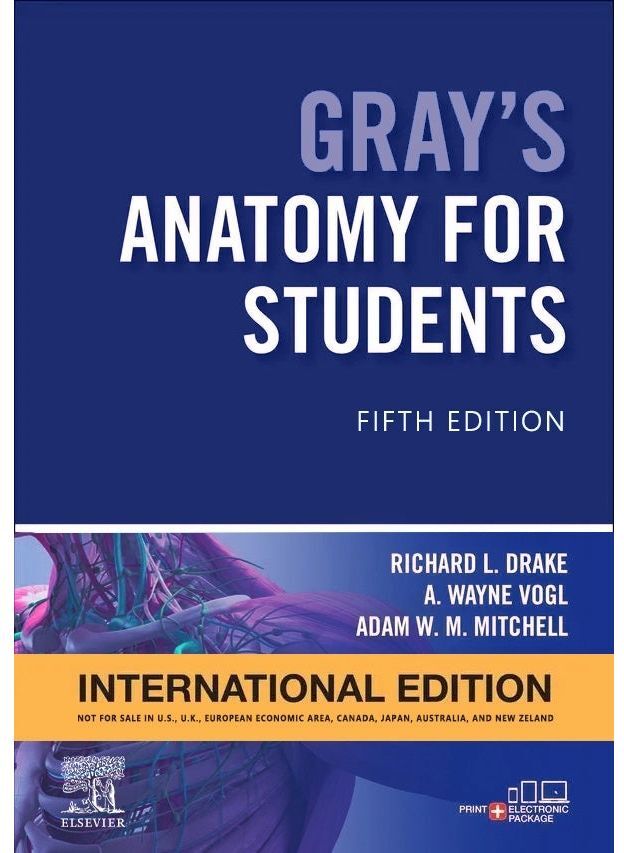
Elsevier Gray's Anatomy for StudentsConcise, readable text and an outstanding art program make Gray's Anatomy for Students, 5th Edition, your go-to text for essential information in human anatomy. This fully revised volume focuses on the core information medical students need to know, in an easy-access format and with additional multimedia content to facilitate effective study and mastery of the material. A team of expert authors share a wealth of diverse teaching and clinical experience-all enhanced by more than 1,000 innovative, original illustrations by renowned illustrators Richard Tibbitts and Paul Richardson, who capture anatomical features with unrivalled clarity. Helps you understand the practical applications of anatomical concepts through unique coverage of surface anatomy, correlative diagnostic images, and clinical case studies. Contains increased representation of diverse population groups throughout, incorporating a wider range of skin tones and important clinical considerations related to transgender and intersex individuals. Presents anatomy logically by body region - as well as bonus updated eBook chapters for each major body system to facilitate learning from a different perspective. Includes new and improved online materials such as self-assessment questions, medical and physical therapy clinical cases, a unique Interactive Surface Anatomy tool, and more. Provides fully revised and updated clinical content including numerous new In the Clinic boxes, images, and correlates throughout that reflect the latest advances seen in clinical practice. New and updated Clinical Cases are included in the accompanying enhanced eBook. Features an updated neuroanatomy eBook chapter, so you can learn key aspects of this challenging topic in the context of general anatomy. Improves comprehension of complex cranial nerves with a visual map summarizing cranial nerve distribution and function. Offers schematic drawings for key structures and topics in every chapter, providing an additional, simplified approach to introduce each topic-ideal for quick initial understanding and as a guide for your own anatomy drawings. Enables you to quickly review the basic concepts from each chapter with Conceptual Overviews. An eBook version is included with purchase. The eBook allows you to access all of the text, figures and references, with the ability to search, customize your content, make notes and highlights, and have content read aloud. Evolve Instructor site with a downloadable image bank is available to instructors through their Elsevier sales rep or via request at https://evolve.elsevier.com.28,99 £*Shipping: 2,99 £Secure redirect to the provider
-
Elsevier Mayes' MidwiferyMayes' Midwifery is a core text for students in the UK, known and loved for its in-depth approach and its close alignment with curricula and practice in this country. The sixteenth edition has been fully updated by leading midwifery educators Sue Macdonald and Gail Johnson, and input from several new expert contributors ensures this book remains at the cutting edge. The text covers all the main aspects of midwifery in detail, including the various stages of pregnancy, possible complexities around childbirth, and psychological and social considerations related to women's health. It provides the most recent evidence along with detailed anatomy and physiology information, and how these translate into practice. Packed full of case studies, reflective activities and images, and accompanied by an ancillary website with 600 multiple choice questions and downloadable images, Mayes' Midwifery makes learning easy for nursing students entering the profession as well as midwives returning to practice and qualified midwives working in different settings in the UK and overseas. Expert contributors include midwifery academics and clinicians, researchers, physiotherapists, neonatal nurse specialists, social scientists and legal experts Learning outcomes and key points to support structured study Reflective activities to apply theory to practice Figures, tables and breakout boxes help navigation and revision Associated online resources with over 600 MCQs, reflective activities, case studies, downloadable image bank to help with essay and assignment preparation Further reading to deepen knowledge and understanding New chapters addressing the issues around being a student midwife and entering the profession More detail about FGM and its legal implications, as well as transgender/binary individuals in pregnancy and childbirth New information on infection and control following from the COVID-19 pandemic Enhanced artwork program43,80 £*Shipping: 0,00 £Secure redirect to the provider
-
Elsevier 150 ECG Cases150 ECG Problems presents clinical problems in the shape of simple case histories together with the relevant ECG. Detailed answers concentrate on the clinical interpretation of the results and give advice on what to do. The book can be used as a standalone method of practising ECG interpretation, and even with the most difficult ECGs a beginner will be able to make an accurate description of the trace and will be guided towards the key aspects of the interpretation. The unique page size allows presentation of 12-lead ECGs across a single page for clarity. Several of the cases incorporate chest X-rays and coronary angiograms illustrating the appearances that are associated with various cardiac conditions. All the cases are graded in difficulty and are cross-referenced to the new editions of ECG Made Easy and ECG in Practice for further information.12,95 £*Shipping: 2,99 £Secure redirect to the provider
-
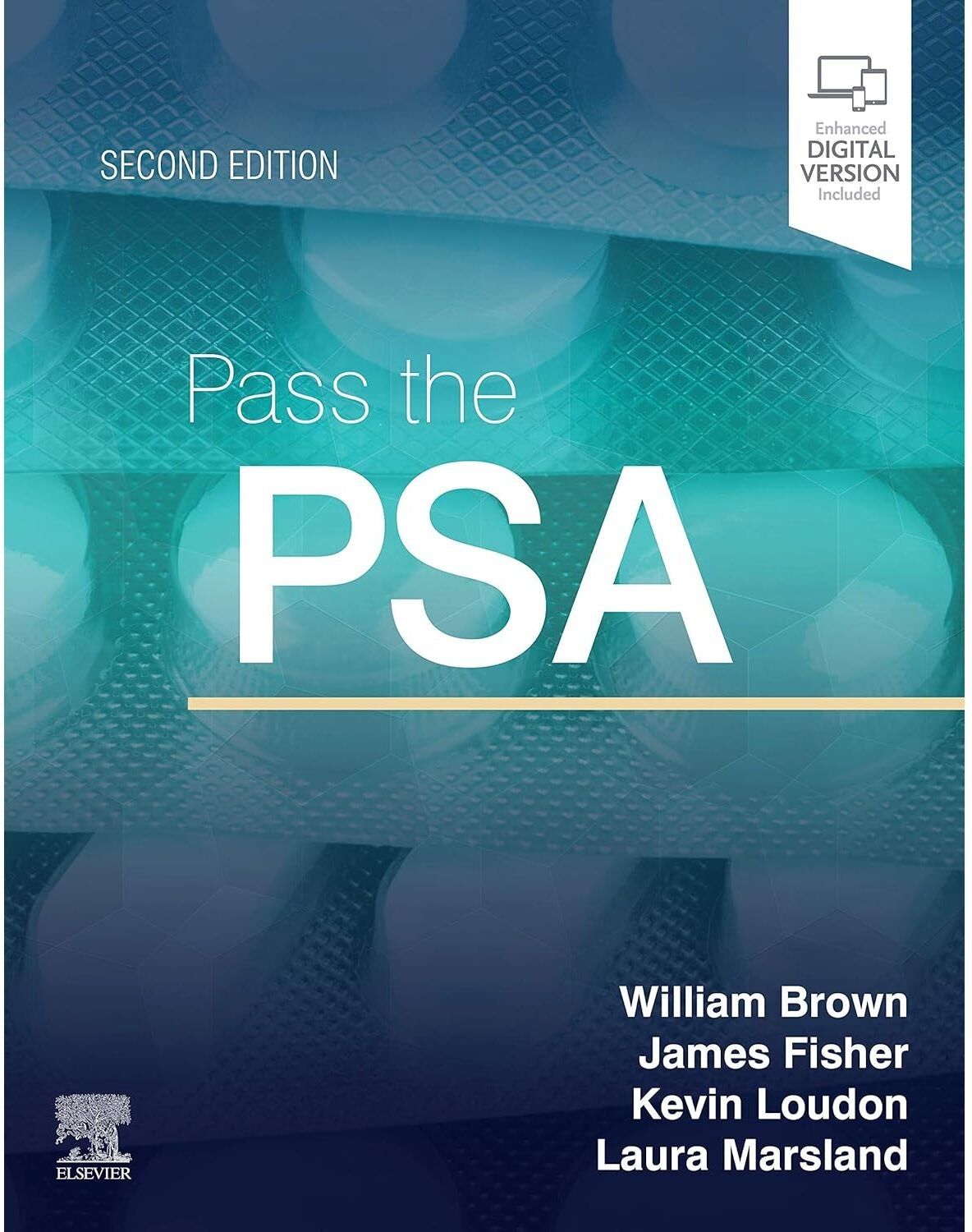
Elsevier Pass the PSAFully updated for its second edition, Pass the PSA is written specifically for the Prescribing Safety Assessment (PSA) exam, with one chapter dedicated to each PSA exam section. This latest edition: Introduces a simple, memorable and failsafe approach to prescribing (the 'PReSCRIBER' mnemonic) Specifies the universal basic principles of prescribing for all sections Examines each section's question structure and how to approach it questions (structured identically to the exam) that conclude each chapter Covers all scenarios suggested for questioning in the PSA blueprint Highlights common traps throughout Contains two mock exams Includes finals-level sections on data interpretation and management28,95 £*Shipping: 2,99 £Secure redirect to the provider


-
What are the basic principles of computer science?
The basic principles of computer science include algorithms, data structures, and computational thinking. Algorithms are step-by-step procedures for solving problems, while data structures are the way data is organized and stored in a computer. Computational thinking involves breaking down complex problems into smaller, more manageable parts and finding efficient solutions. These principles form the foundation of computer science and are essential for understanding and developing computer programs and systems. **
-
Which advanced and basic courses should I choose? Physics (advanced level), French (advanced level), Civics (basic level), Geography (basic level), Biochemistry (basic level).
If you are looking to challenge yourself and excel in your studies, I would recommend choosing Physics and French at the advanced level. These courses will provide you with a strong foundation in two important subjects. For the basic level courses, Civics and Geography are essential subjects that will provide you with a good understanding of society and the world around you. Biochemistry at the basic level can also be beneficial if you have an interest in the sciences. **
-
Which advanced and basic courses should I choose? Physics (Advanced Level), French (Advanced Level), Civics (Basic Level), Geography (Basic Level), Biochemistry (Basic Level).
It ultimately depends on your interests and future goals. If you are considering a career in science or engineering, taking Physics and Biochemistry at an advanced level would be beneficial. French at an advanced level could also be advantageous for language skills and potential international opportunities. Civics and Geography at a basic level could provide a well-rounded education and understanding of society and the world. Consider your strengths, interests, and future aspirations when making your decision. **
-
How do I learn basic computer science knowledge from scratch?
To learn basic computer science knowledge from scratch, you can start by studying fundamental concepts such as algorithms, data structures, and programming languages. There are many online resources and tutorials available for free, such as Codecademy, Khan Academy, and Coursera, which offer introductory courses in computer science. Additionally, you can consider enrolling in a beginner-level computer science course at a local community college or university. It's important to practice coding regularly and work on small projects to reinforce your understanding of the concepts. Finally, joining online communities and forums can provide valuable support and guidance as you learn. **


What are the solutions for these computer science tasks?
The solutions for computer science tasks can vary depending on the specific task at hand. However, some common solutions include writing algorithms to solve a problem, using data structures to organize and manipulate data, implementing efficient search and sorting techniques, and developing software applications to automate processes. Additionally, leveraging machine learning and artificial intelligence techniques can also be a solution for tasks involving data analysis and pattern recognition. Ultimately, the solution for a computer science task depends on the problem being addressed and the specific requirements of the task. **
Can you please provide solutions for computer science Python?
Yes, there are many resources available for learning computer science and Python. You can start by taking online courses on platforms like Coursera, Udemy, or Codecademy. Additionally, there are many books and tutorials available for Python programming, such as "Automate the Boring Stuff with Python" by Al Sweigart or "Python Crash Course" by Eric Matthes. You can also join online communities and forums like Stack Overflow or Reddit to ask questions and get help from experienced programmers. Finally, practicing coding through coding challenges on websites like LeetCode or HackerRank can also help improve your Python skills. **
Top-Angebote
Products related to Elsevier-Basic-Science-for:
-
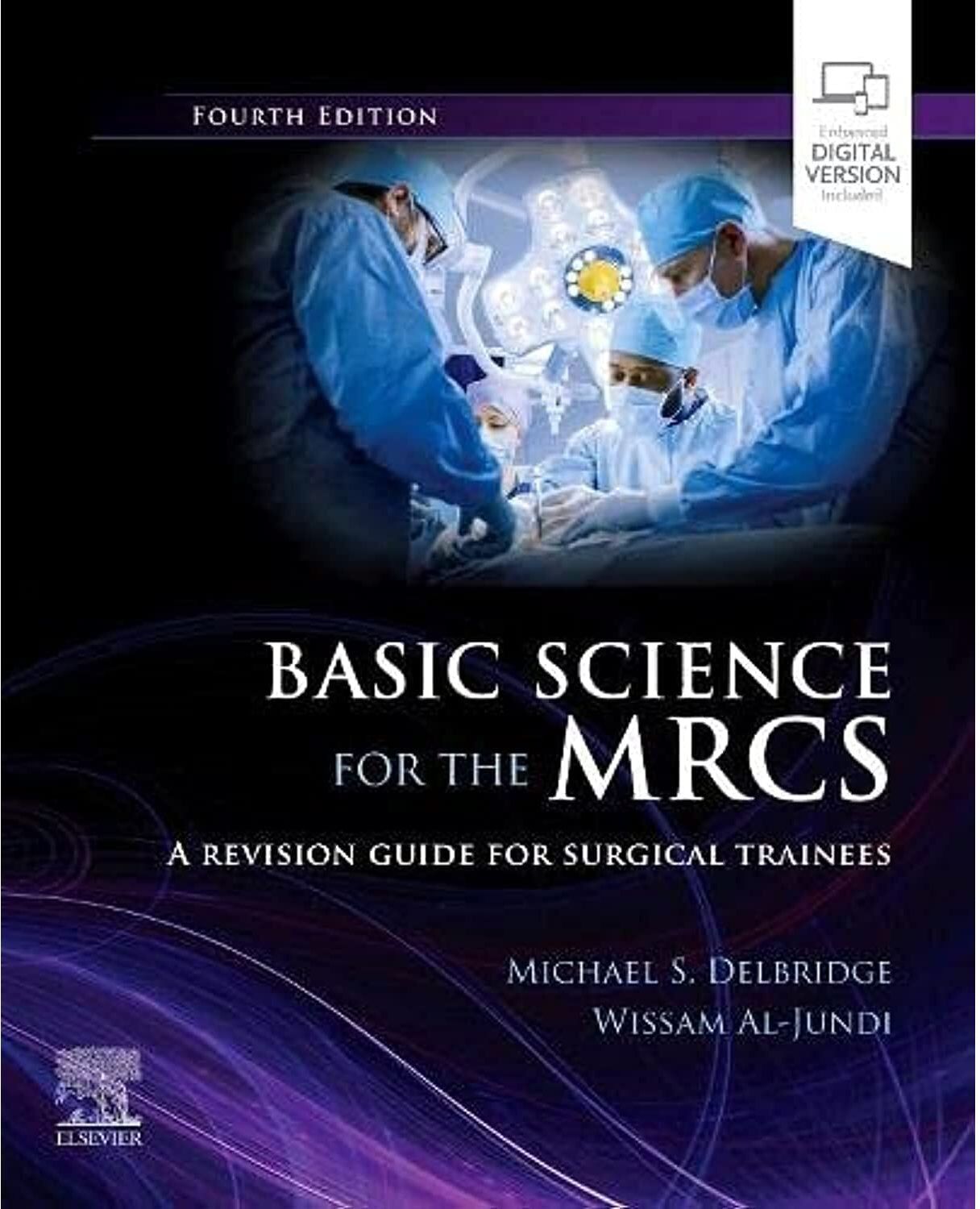
Elsevier Basic Science for the MRCS: A revision guide for surgical trainees (MRCS Study Guides)A concise revision guide to the core basic sciences for all surgical trainees preparing for Part A of the Intercollegiate MRCS examination. Covering the essential facts for anatomy, physiology and pathology, with indications of both their clinical relevance and importance. Focusing on the recurring examination themes for initial surgical training, this title is designed for the basic surgical trainee as well as proving useful for those in higher surgical training and for the surgically-inclined, well-motivated student. Covers the essentials of the basic sciences - anatomy, physiology and pathology - for the MRCS examination. Explains the application and clinical relevance of the three sciences. Bulleted text for easy reading and rapid exam preparation. Focused on the common themes of the examination. Clear annotated line drawings to aid learning. 250 new online single-best answer questions in the format of the MRCS Part A examination. Each answer will refer back to text for further reading as required. New OSCE 'Clinical scenarios' at the end of every chapter.33,99 £*Shipping: 2,99 £Secure redirect to the provider
-
StayWell Innovative Anti Fungal Laser Pen With Cutting Edge Fungal Infections Removal And Safe for Skin Technology Innovative Anti Fungal Laser Pen With Cutting Edge Fungal Infections Removal And Safe for Skin TechnologyDo you avoid going barefoot or wearing sandals because of your unsightly nails If so, our AntiFungal Laser Pen is the solution you've been looking for. Our laser pen combines the power of the infrared pulsed laser and blue light to exterminate...20,97 $*Shipping: 0,00 $Secure redirect to the provider
-
Elsevier Gray's Anatomy for StudentsConcise, readable text and an outstanding art program make Gray's Anatomy for Students, 5th Edition, your go-to text for essential information in human anatomy. This fully revised volume focuses on the core information medical students need to know, in an easy-access format and with additional multimedia content to facilitate effective study and mastery of the material. A team of expert authors share a wealth of diverse teaching and clinical experience-all enhanced by more than 1,000 innovative, original illustrations by renowned illustrators Richard Tibbitts and Paul Richardson, who capture anatomical features with unrivalled clarity. Helps you understand the practical applications of anatomical concepts through unique coverage of surface anatomy, correlative diagnostic images, and clinical case studies. Contains increased representation of diverse population groups throughout, incorporating a wider range of skin tones and important clinical considerations related to transgender and intersex individuals. Presents anatomy logically by body region - as well as bonus updated eBook chapters for each major body system to facilitate learning from a different perspective. Includes new and improved online materials such as self-assessment questions, medical and physical therapy clinical cases, a unique Interactive Surface Anatomy tool, and more. Provides fully revised and updated clinical content including numerous new In the Clinic boxes, images, and correlates throughout that reflect the latest advances seen in clinical practice. New and updated Clinical Cases are included in the accompanying enhanced eBook. Features an updated neuroanatomy eBook chapter, so you can learn key aspects of this challenging topic in the context of general anatomy. Improves comprehension of complex cranial nerves with a visual map summarizing cranial nerve distribution and function. Offers schematic drawings for key structures and topics in every chapter, providing an additional, simplified approach to introduce each topic-ideal for quick initial understanding and as a guide for your own anatomy drawings. Enables you to quickly review the basic concepts from each chapter with Conceptual Overviews. An eBook version is included with purchase. The eBook allows you to access all of the text, figures and references, with the ability to search, customize your content, make notes and highlights, and have content read aloud. Evolve Instructor site with a downloadable image bank is available to instructors through their Elsevier sales rep or via request at https://evolve.elsevier.com.28,99 £*Shipping: 2,99 £Secure redirect to the provider
-
Elsevier Mayes' MidwiferyMayes' Midwifery is a core text for students in the UK, known and loved for its in-depth approach and its close alignment with curricula and practice in this country. The sixteenth edition has been fully updated by leading midwifery educators Sue Macdonald and Gail Johnson, and input from several new expert contributors ensures this book remains at the cutting edge. The text covers all the main aspects of midwifery in detail, including the various stages of pregnancy, possible complexities around childbirth, and psychological and social considerations related to women's health. It provides the most recent evidence along with detailed anatomy and physiology information, and how these translate into practice. Packed full of case studies, reflective activities and images, and accompanied by an ancillary website with 600 multiple choice questions and downloadable images, Mayes' Midwifery makes learning easy for nursing students entering the profession as well as midwives returning to practice and qualified midwives working in different settings in the UK and overseas. Expert contributors include midwifery academics and clinicians, researchers, physiotherapists, neonatal nurse specialists, social scientists and legal experts Learning outcomes and key points to support structured study Reflective activities to apply theory to practice Figures, tables and breakout boxes help navigation and revision Associated online resources with over 600 MCQs, reflective activities, case studies, downloadable image bank to help with essay and assignment preparation Further reading to deepen knowledge and understanding New chapters addressing the issues around being a student midwife and entering the profession More detail about FGM and its legal implications, as well as transgender/binary individuals in pregnancy and childbirth New information on infection and control following from the COVID-19 pandemic Enhanced artwork program43,80 £*Shipping: 0,00 £Secure redirect to the provider
-
Which advanced and basic courses should I choose? Physics (advanced), French (advanced), Civics (basic), Geography (basic), Biochemistry (basic).
It ultimately depends on your interests and future goals. If you are considering a career in science or engineering, taking advanced Physics and Biochemistry would be beneficial. If you are interested in pursuing a career in international relations or language-related fields, advanced French could be a good choice. Basic Civics and Geography courses can provide you with a foundational understanding of important social and environmental issues. Consider your strengths, interests, and future aspirations when making your decision. **
-
What are the basic concepts of computer science?
The basic concepts of computer science include algorithms, which are step-by-step procedures for solving problems; data structures, which are ways of organizing and storing data for efficient access and manipulation; and programming languages, which are used to write instructions for computers to execute tasks. Computer science also involves the study of computer architecture, which includes the design and organization of computer systems, as well as the theory of computation, which explores the limits of what can be computed algorithmically. Overall, computer science is a broad field that encompasses a wide range of topics related to the study of computers and computational systems. **
-
What are the basic principles of computer science?
The basic principles of computer science include algorithms, data structures, and computational thinking. Algorithms are step-by-step procedures for solving problems, while data structures are the way data is organized and stored in a computer. Computational thinking involves breaking down complex problems into smaller, more manageable parts and finding efficient solutions. These principles form the foundation of computer science and are essential for understanding and developing computer programs and systems. **
-
Which advanced and basic courses should I choose? Physics (advanced level), French (advanced level), Civics (basic level), Geography (basic level), Biochemistry (basic level).
If you are looking to challenge yourself and excel in your studies, I would recommend choosing Physics and French at the advanced level. These courses will provide you with a strong foundation in two important subjects. For the basic level courses, Civics and Geography are essential subjects that will provide you with a good understanding of society and the world around you. Biochemistry at the basic level can also be beneficial if you have an interest in the sciences. **
Similar search terms for Elsevier-Basic-Science-for
-
Elsevier 150 ECG Cases150 ECG Problems presents clinical problems in the shape of simple case histories together with the relevant ECG. Detailed answers concentrate on the clinical interpretation of the results and give advice on what to do. The book can be used as a standalone method of practising ECG interpretation, and even with the most difficult ECGs a beginner will be able to make an accurate description of the trace and will be guided towards the key aspects of the interpretation. The unique page size allows presentation of 12-lead ECGs across a single page for clarity. Several of the cases incorporate chest X-rays and coronary angiograms illustrating the appearances that are associated with various cardiac conditions. All the cases are graded in difficulty and are cross-referenced to the new editions of ECG Made Easy and ECG in Practice for further information.12,95 £*Shipping: 2,99 £Secure redirect to the provider
-
Elsevier Pass the PSAFully updated for its second edition, Pass the PSA is written specifically for the Prescribing Safety Assessment (PSA) exam, with one chapter dedicated to each PSA exam section. This latest edition: Introduces a simple, memorable and failsafe approach to prescribing (the 'PReSCRIBER' mnemonic) Specifies the universal basic principles of prescribing for all sections Examines each section's question structure and how to approach it questions (structured identically to the exam) that conclude each chapter Covers all scenarios suggested for questioning in the PSA blueprint Highlights common traps throughout Contains two mock exams Includes finals-level sections on data interpretation and management28,95 £*Shipping: 2,99 £Secure redirect to the provider
-
Elsevier The ECG Made EasyFor over forty years The ECG Made Easy has been regarded as the best introductory guide to the ECG, with sales of over half a million copies as well as being translated into more than a dozen languages. Hailed by the British Medical Journal as a "medical classic", it has been a favourite of generations of medical and health care staff who require clear, basic knowledge about the ECG. This famous book encourages the reader to accept that the ECG is easy to understand and that its use is just a natural extension of taking the patient's history and performing a physical examination. It directs users of the electrocardiogram to straightforward and accurate identification of normal and abnormal ECG patterns. A practical and highly informative guide to a difficult subject. Provides a full understanding of the ECG in the diagnosis and management of abnormal cardiac rhythms. Emphasises the role of the full 12 lead ECG with realistic reproduction of recordings. The unique page size allows presentation of 12-lead ECGs across a single page for clarity.12,99 £*Shipping: 2,99 £Secure redirect to the provider
-
Regenerate Enamel Science Advanced Toothpaste 75 mlHealth and Beauty Oral Care Regenerate Enamel Science Advanced Toothpaste 75 ml What is Regenerate Enamel Science Advanced Toothpaste 75 ml Regenerate Enamel Science Advanced Toothpaste 75 ml is an innovative toothpaste designed to rebuild tooth enamel and protect it against daily wear and tear . Its advanced formula acts directly on the tooth surface, strengthening enamel and helping to restore the mineral structure lost over time. Thanks to its exclusive technology, this toothpaste not only protects, but also helps reduce tooth sensitivity and maintain a healthier, more resilient smile. It is an effective solution for those seeking advanced dental care and enamel decay prevention. Benefits The main benefit of Regenerate Toothpaste Enamel Science Advanced 75 ml is its ability to regenerate tooth enamel from within , strengthening teeth and offering long-lasting protection against acids found in food and beverages. Continued use helps reduce tooth sensitivity , improve resistance to cavities, and prevent premature enamel wear. Its formula also protects dentin, leaving teeth smoother and brighter. Its smooth, soft texture helps maintain complete oral hygiene by removing plaque and bacteria without damaging tooth structure. Its soft, pleasant texture makes brushing comfortable, while its remineralizing action strengthens teeth from the first application. Who is it for? Regenerate Enamel Science Advanced Toothpaste 75 ml is specifically designed for people who want to protect and regenerate their tooth enamel . It is ideal for those who suffer from tooth sensitivity , enamel wear, or stains caused by food, drinks, or everyday habits. It is also recommended for adults seeking advanced oral care and long-term prevention of dental problems. Its gentle formula allows for daily use, making it a suitable option for anyone concerned about maintaining a healthy, strong, and protected smile . How do I apply it? Applying Regenerate Toothpaste Enamel Science Advanced 75 ml is very simple. You just need to place a small amount on a wet toothbrush and brush your teeth for at least two minutes, covering all tooth surfaces. For best results, it is recommended to brush your teeth twice a day , especially after meals. It is not necessary to rinse immediately after brushing, as leaving a thin layer of the product on the enamel enhances its regenerative action. Its constant use guarantees long-lasting protection and stronger teeth . Product use Regular use of Regenerate Toothpaste Enamel Science Advanced 75 ml helps strengthen and rebuild tooth enamel while maintaining complete oral hygiene. Its remineralizing action protects teeth from acid erosion, reduces sensitivity, and prevents future dental problems. It is suitable for daily use and easily integrated into any oral care routine, providing visible results within just a few weeks of continuous use. Buy Regenerate Enamel Science Advanced Toothpaste 75 ml If you're looking to strengthen your teeth and effectively...14,81 £*Shipping: 3,99 £Secure redirect to the provider
-
Which advanced and basic courses should I choose? Physics (Advanced Level), French (Advanced Level), Civics (Basic Level), Geography (Basic Level), Biochemistry (Basic Level).
It ultimately depends on your interests and future goals. If you are considering a career in science or engineering, taking Physics and Biochemistry at an advanced level would be beneficial. French at an advanced level could also be advantageous for language skills and potential international opportunities. Civics and Geography at a basic level could provide a well-rounded education and understanding of society and the world. Consider your strengths, interests, and future aspirations when making your decision. **
-
How do I learn basic computer science knowledge from scratch?
To learn basic computer science knowledge from scratch, you can start by studying fundamental concepts such as algorithms, data structures, and programming languages. There are many online resources and tutorials available for free, such as Codecademy, Khan Academy, and Coursera, which offer introductory courses in computer science. Additionally, you can consider enrolling in a beginner-level computer science course at a local community college or university. It's important to practice coding regularly and work on small projects to reinforce your understanding of the concepts. Finally, joining online communities and forums can provide valuable support and guidance as you learn. **
-
What are the solutions for these computer science tasks?
The solutions for computer science tasks can vary depending on the specific task at hand. However, some common solutions include writing algorithms to solve a problem, using data structures to organize and manipulate data, implementing efficient search and sorting techniques, and developing software applications to automate processes. Additionally, leveraging machine learning and artificial intelligence techniques can also be a solution for tasks involving data analysis and pattern recognition. Ultimately, the solution for a computer science task depends on the problem being addressed and the specific requirements of the task. **
-
Can you please provide solutions for computer science Python?
Yes, there are many resources available for learning computer science and Python. You can start by taking online courses on platforms like Coursera, Udemy, or Codecademy. Additionally, there are many books and tutorials available for Python programming, such as "Automate the Boring Stuff with Python" by Al Sweigart or "Python Crash Course" by Eric Matthes. You can also join online communities and forums like Stack Overflow or Reddit to ask questions and get help from experienced programmers. Finally, practicing coding through coding challenges on websites like LeetCode or HackerRank can also help improve your Python skills. **
* All prices are inclusive of VAT and, if applicable, plus shipping costs. The offer information is based on the details provided by the respective shop and is updated through automated processes. Real-time updates do not occur, so deviations can occur in individual cases. ** Note: Parts of this content were created by AI.